

ตลาด cfd นับได้ว่าเป็นตราสารอนุพันธ์ล่าสุดที่มีศักยภาพสูงสุดสำหรับการทำสัญญาซื้อขายส่วนต่างในปัจจุบัน และมักจะถูกแปลเป็นสัญญาการซื้อขายส่วนต่างอันที่จริงมันเป็นสัญญาที่นักลงทุนและตัวแทนในการจำหน่ายจะทำการลงนามและดำเนินการ โดยตัวแทนที่ทำการจำหน่ายสามารถเป็นบริษัททางการเงินหรือทางธนาคารก็ได้ ซึ่งจะเป็นสัญญาสำหรับแนวโน้มในอนาคตของการผลิตในทางการเงินที่จะทำให้ทุกท่านสามารถทำการเทรดผ่านทางการตลาดได้อย่างง่ายดาย ตลาด cfd ต้องเทรดอย่างไรให้ได้ผลตอบแทนที่ดี สำหรับการเทรดจะเป็นการทำสัญญาซื้อขายส่วนต่างที่เป็นข้อตกลงระหว่างนักลงทุนและนายหน้าที่ทำการซื้อขายเพื่อเป็นการแลกเปลี่ยนส่วนต่างในมูลค่าของผลิตภัณฑ์ทางการเงิน ซึ่งจะอยู่ในระหว่างเวลาที่สัญญาได้ทำการเปิดและปิด โดยในการซื้อขายแลกเปลี่ยนเงินตราต่างประเทศถ้าหากนักลงทุนนั้นอยู่ในอัตราการแลกเปลี่ยนสกุลเงินหนึ่ง ผู้ที่ทำการซื้อขายก็สามารถทำการซื้อผ่านแพลตฟอร์มการซื้อขายที่มีความน่าเชื่อถือเพื่อเปิดสถานะทางตลาด cfd ได้นั่นเอง ข้อดีของการเทรดกับทางการตลาดCFD ในการเทรดทางตลาด cfd จะอยู่ในสถานะของตราสารอนุพันธ์ที่มีการทำสัญญาซื้อขายส่วนต่างที่จะช่วยให้นักลงทุนมีข้อที่สามารถเปรียบเทียบที่มีความหลากหลายเกี่ยวกับการลงทุนรูปแบบอื่นในรูปแบบดั้งเดิมได้อย่างง่ายดาย โดยมีข้อดีในการเปรียบเทียบดังต่อไปนี้ การเทรดทางการตลาด cfd ก็คือตราสารอนุพันธ์ที่ได้รับความนิยมในด้านของการเงิน เป็นสัญญาส่วนต่างที่มีการทำสัญญาในระหว่างผู้ซื้อและผู้ขาย โดยในการเทรดนั้นก็จะใช้เงินในการลงทุนเพียงน้อยนิดแต่สามารถทำกำไรได้เป็นจำนวนมาก
ความเข้าใจผิดเกี่ยวกับการรักษาสายตาสั้น
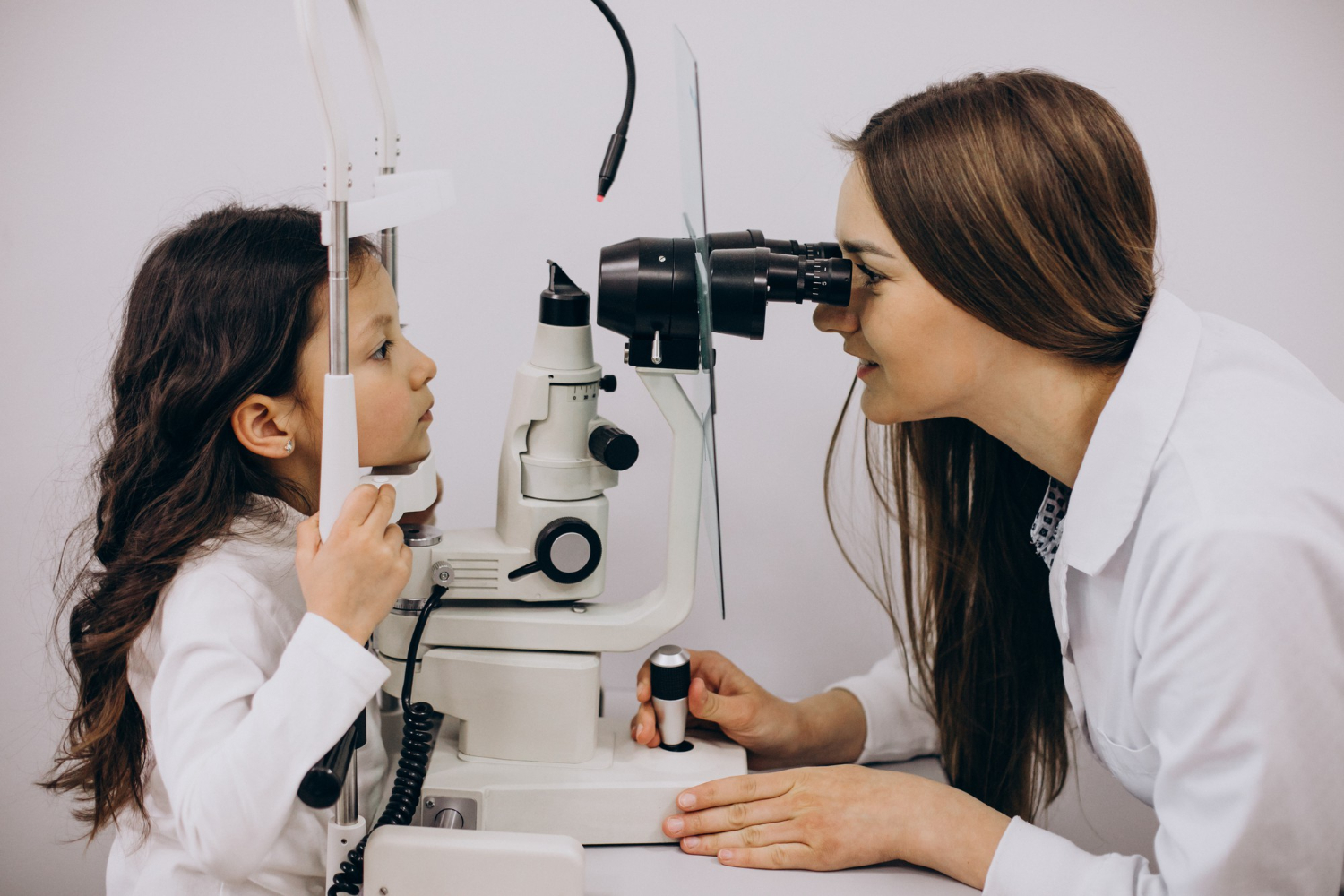
อาจจะกล่าวได้ว่าปัญหาสายตาสั้น เป็นปัญหาที่หลายๆ คนต้องเผชิญอย่างหลีกเลี่ยงไม่ได้ โดยเฉพาะอย่างยิ่งเมื่อเป็นแล้วก็อาจจะทำให้ใช้ชีวิตไม่สะดวกสบายเท่าที่ควร อย่างไรก็ดีการรักษาสายตาสั้นมีความเข้าใจผิดหลายต่อหลายประการ ซึ่งความเข้าใจผิดที่ว่านั้นมีสิ่งใดบ้าง มาดูพร้อมๆ กันเลย 1.การกินอาหารเสริมสม่ำเสมอ จะช่วยรักษาสายตาสั้นได้ สำหรับความเข้าใจผิดประการแรกได้แก่การกินอาหารเสริมสม่ำเสมอจะช่วยในการรักษาสายตาสั้นได้ ซึ่งแท้ที่จริงแล้วแม้คุณจะกินอาหารเสริมอย่างสม่ำเสมอก็ไม่สามารถช่วยแก้ไขสายตาสั้นได้อย่างที่หลายๆ คนเข้าใจ เนื่องจากว่าการแก้ไขสายตาสั้นนั้นจะต้องรักษาอย่างตรงจุด นั่นก็คือการสวมแว่นสายตา 2.สามารถสั่งตัดแว่นสายตาทางอินเตอร์เน็ตได้ ปัจจุบันนี้ด้วยเทคโนโลยีที่กว้างไกล ได้ทำให้การสั่งซื้อสินค้าออนไลน์ได้กลายเป็นสิ่งที่หลายๆ คนชื่นชอบ รวมไปถึงการสั่งซื้อแว่นสายตาอีกด้วย ซึ่งแท้ที่จริงแล้วนั้น การสั่งซื้อแว่นสายตาทางอินเตอร์เน็ตอาจไม่ตอบโจทย์เท่าที่ควรสำหรับคนที่จะสั่งตัดแว่นสายตา เพราะการสั่งตัดแว่นสายตา ควรสั่งตัดโดยไปยังร้านแว่นโดยตรง และลองสวมแว่นสายตา ลองวัดสายตากับเครื่องจะดีที่สุด เพราะว่าจะทำให้ได้แว่นสายตาที่มีความแม่นยำอย่างแท้จริง และที่สำคัญยังราคาไม่แพง แว่นไม่เสียหายจนกว่าจะถึงมือของคุณ เพราะบ่อยครั้งเลยที่การสั่งสินค้าทางอินเตอร์เน็ตทำให้สินค้าเสียหายในระหว่างการส่งนั่นเอง 3.อาหารการกินช่วยแก้ไขปัญหาสายตาสั้นได้ หลายๆ คนเลือกการกินอาหารที่ช่วยเสริมสร้างสุขภาพสายตา โดยลืมไปว่าการเสริมสร้างสุขภาพสายตาให้แข็งแรงดีนั้น เป็นคนละเรื่องกับการรักษาสายตานั่นเอง การแก้ไขสายตาสั้นไม่อาจทำได้ด้วยการกินอาหารที่มีประโยชน์ หรือช่วยในการบำรุงสายตา แต่อาจจะต้องใช้อาหารการกินเสริมเข้าไปเพื่อให้เกิดประโยชน์สูงสุด ช่วยลดโอกาสการเกิดโรคต้อกระจก รวมไปถึงโรคอื่นๆ ที่เกี่ยวข้องกับดวงตานั่นเอง 4.การบริหารกล้ามเนื้อสายตาลดอาการสายตาสั้นได้ การบริหารกล้ามเนื้อดวงตา เป็นที่นิยมในปัจจุบันอย่างยิ่ง เนื่องจากว่าไลฟ์สไตล์ของคนในยุคปัจจุบันนั้นจะทำงานที่เกี่ยวข้องกับคอมพิวเตอร์ และเมื่อเลิกงานแล้วก็อาจจะมีการเล่นโทรศัพท์สมาร์ทโฟน ซึ่งอาจจะส่งผลให้ดวงตาล้าได้ การบริหารกล้ามเนื้อสายตาจะช่วยในการลดอาการสายตาเมื่อยล้าได้เป็นอย่างดี แต่ไม่ได้รักษาภาวะสายตาสั้น และนี่ก็คือสิ่งที่หลายๆ คนอาจจะยังไม่รู้เกี่ยวกับการแก้ไขสายตาสั้น เพราะสายตาสั้นเป็นปัญหาใกล้ตัวที่หลายๆ คนอาจจะเผชิญเมื่อใดก็ได้ จะดีกว่าหรือไม่หากว่าเราจะพยายามแก้ไขสายตาสั้นของเราอย่างถูกวิธีด้วยการใส่แว่นสายตา และการทำเลสิก
วิธีเลือกกล้องติดรถยนต์
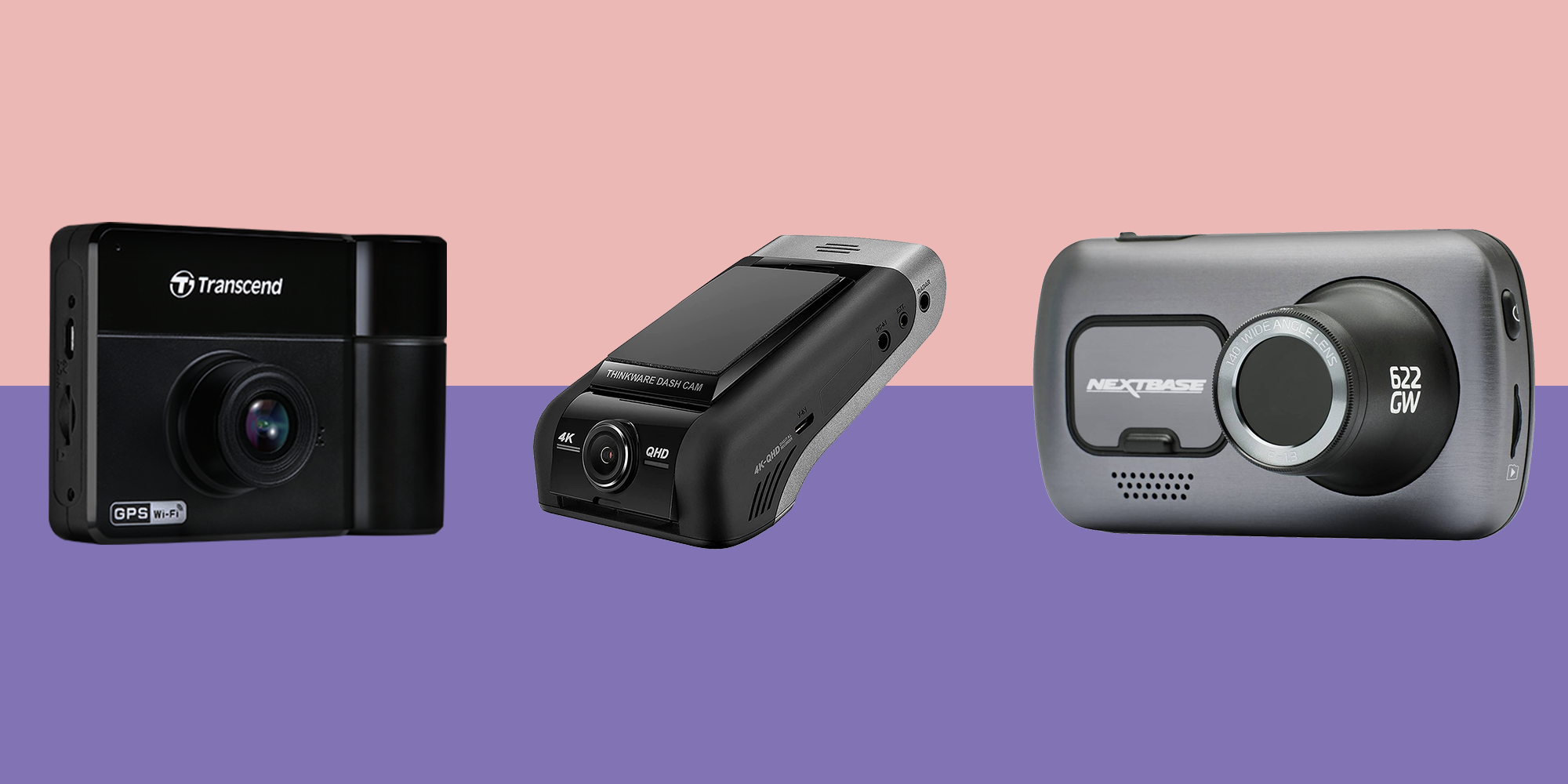
สำหรับคนที่มีรถยนต์นั้น การติดตั้งกล้องติดรถยนต์หน้าหลัง มีประโยชน์อย่างมาก เพราะกล้องติดรถยนต์หน้าหลังนี้จะช่วยบันทึกภาพเหตุการณ์ที่สามารถใช้เป็นหลักฐานในกรณีเกิดอุบัติเหตุได้ ใครจะถูกหรือผิดไม่ต้องไปต่อความยาวสาวความยืด รวมไปถึงสามารถจัดเก็บภาพวิวทิวทัศน์และเส้นทางที่เราเดินทางมาด้วยนะ ซึ่งในปัจจุบันกล้องติดรถยนต์ก็มีหลากลหายยี่ห้อ วันนี้เราจะขอมาแนะนำวิธีง่ายๆ ช่วยเลือกกล้องติดรถยนต์หน้าหลังกันเลย ความละเอียดของภาพและวิดีโอในการบันทึก คุณภาพของการบันทึกภาพและวิดีโอนั้นเป็นสิ่งสำคัญที่จะต้องคำนึงถึง โดยความละเอียดของกล้องติดรถยนต์ควรต้องอยู่ที่ระดับ FULL HD (1080p) หรือ HD Ready (720p) เป็นมาตรฐาน เพราะที่ความละเอียดระดับนี้ เราสามารถที่จะนำภาพวิดีโอที่ได้ไปใช้งานจริงได้อย่างไม่มีปัญหาแน่นอน และที่สำคัญที่ห้ามลืมสังเกตเป็นอันขาดก็คือ ตัวเลนส์กล้องและชิปประมวลผล ซึ่งสองสิ่งนี้จะเป็นเหมือนตัวเสริมให้กล้องมีการบันทึกไฟล์วิดีโอได้ละเอียดมากขึ้น มุมกล้อง หลายๆ คนคิดว่ายิ่งกว้างยิ่งดี แต่อย่าลืมว่าภาพจากกล้องมุมกว้างมากอาจจะโค้งบิดเบี้ยวโดยเฉพาะบริเวณขอบของภาพ ส่วนใหญ่แล้วมักจะใช้กันอยู่ที่ 120 องศา แต่อย่างไรก็ตามควรเลือกให้เหมาะกับความกว้างของหน้ารถของคุณด้วย รวมไปถึงกล้องหลังที่ควรเลือกให้เหมาะสม เพื่อให้เห็นภาพมุมที่กว้างด้วย รูรับแสง รู้รับแสงจะเป็นตัวควบคุมปริมาณแสงที่จะผ่านเข้าไปในเลนส์ โดยมีหน่วยที่เรียกว่า “F” ยิ่งตัวเลขของรูรับแสงน้อยก็จะยิ่งช่วยให้ภาพสว่างขึ้น เช่น ภาพที่ถ่ายด้วยเลนส์ F4 จะมืดกว่าภาพที่ถ่ายด้วยเลนส์ F2.1 ดังนั้น กล้องติดหน้ารถ ที่มีเลนส์ซึ่งมีรูรับแสงน้อย ก็จะช่วยให้ภาพชัดและสว่าง มองเห็นป้ายทะเบียนรถคันอื่นได้ง่ายขึ้น แบตเตอรี่ กล้องติดรถมีทั้งแบบที่ใช้ไฟจากที่จุดบุหรี่อย่างเดียว และแบบที่มีแบตเตอรี่สำรอง ข้อดีของการมีแบตเตอรี่สำรองคือ เมื่อเราดับเครื่องยนต์แล้ว […]
รู้จักเครื่องเชื่อม ประเภทต่างๆ เครื่องเชื่อมอาร์กอน ดีไหม มีข้อดีและข้อเสียอย่างไร
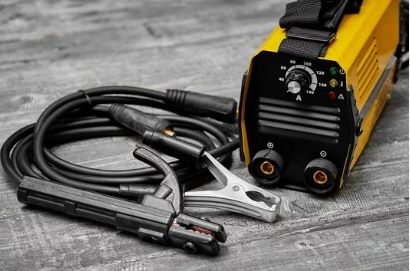
ถ้าไม่ใช่ช่างหรือผู้รับเหมา คุณอาจไม่เคยได้ยินเกี่ยวกับเครื่องเชื่อมอาร์กอน เครื่องเชื่อมหรือตู้เชื่อมไฟฟ้า เป็นอุปกรณ์ช่วยทุ่นแรงในงานเชื่อม เป็นการใช้ไฟฟ้าเพื่อเชื่อมโลหะเข้าด้วยกัน ปัจจุบันตู้เชื่อม มีหลายประเภท เครื่องเชื่อมอาร์กอนเป็นหนึ่งในประเภทของตู้เชื่อม วันนี้เราจะพาทุกคนมาทำความรู้จักกับเครื่องเชื่อมไฟฟ้าและไขข้อสงสัยที่ว่าเครื่องเชื่อมอาร์กอน ดีไหม มีข้อดี ข้อเสียอย่างไรบ้าง ประเภทของเครื่องเชื่อมไฟฟ้า 1.เครื่องเชื่อม co2 เครื่องเชื่อมคาร์บอน หรือเครื่องเชื่อม mig ใช้แก๊สคาร์บอนผสมในการเชื่อม ไม่ต้องป้องลวด ป้อนเนื้อลวดลงไปบนชิ้นงานได้เลย แต่ถ้าต้องการเปลี่ยนชนิดโลหะที่ต้องการเชื่อม ต้องเปลี่ยนท่อน้ำลวดด้วย 2.เครื่องเชื่อมอินเวอร์เตอร์ เครื่องเชื่อมประเภทนี้ ใช้ความร้อนที่เกิดจากอาร์ค ระหว่างลวดเชื่อมหุ้มฟลักซ์ กับชิ้นงาน โดยต่อไปตรงเข้าไปที่ตู้เชื่อมเพื่อสร้างพลังงานขึ้นมา เครื่องเชื่อมที่ได้รับความนิยม ง่ายต่อการใช้งาน ใช้เชื่อมเหล็ก สแตนเลส รวมถึงอลูมิเนียมได้ หากมีกระแสมากกว่า 200 แอมป์ขึ้นไป 3.เครื่องตัดพลาสม่า ตู้เชื่อมไฟฟ้าประเภทนี้ ใช้เพื่อตัดโลหะ โดยต่อกับปลั๊กลมไฟฟ้า ส่งพลังงานความเร็วสูงไปยังหัวปืนตัด ลมจึงกลายเป็นพลาสม่าสามารถตัดชิ้นงานได้ที่เป็นโลหะได้ 4.เครื่องเชื่อมอาร์กอน มาถึงไฮไลท์สำคัญ เครื่องเชื่อมอาร์กอน หรือตู้เชื่อม TIG พลังงานมาจากอาร์ก โดยใช้แท่นอิเล็กโทรด เป็นทังสแตนเลสในการเชื่อมงาน ที่บริเวณบ่อหลอมจะมีแก๊สเฉี่อยปกคลุมอยู่ ป้องกันบ่อหลอมไม่ให้ปนเปื้อนหรือทำปฏิกิริยากับอากาศรอบๆ แก๊สเฉี่อยที่ใช้ทั่วไปเรียกว่า อาร์กอน […]
โพรไบโอติกอาหารเสริม THE NA THAILAND ปรับสมดุลลำไส้ภายใน 14 วัน
โพรไบโอติกอาหารเสริมของ THE NA THAILAND ผลิตภัณฑ์ที่มีชื่อว่า Probalance Jelly อาหารเสริมของคนรักสุขภาพที่ต้องการมีระบบขับถ่ายดี เนื่องจากโพรไบโอติกเป็นจุลินทรีย์ชนิดดีมีประโยชน์ต่อร่างกาย สิ่งมีชีวิตขนาดเล็กที่สามารถอาศัยในร่างกายของเราได้ เมื่อไปเกาะที่ผิวเยื่อบุลำไส้จะผลิตสารขึ้นมาเพื่อกำจัดหรือต่อต้านสิ่งแปลกปลอมต่างๆ เช่น เชื้อโรค แบคทีเรีย ไวรัส หรือจุลินทรีย์ชนิดไม่ดี โพรไบโอติกมีหลายสานพันธุ์อาหารเสริมของ THE NA คัดเลือกสายพันธุ์คุณภาพเป็นสายพันธุ์ที่ดีที่สุดมาให้คุณทาน THE NA THAILAND อาหารเสริมโพรไบโอติกแบบเยลลี่ โพรไบโอติกอาหารเสริมยี่ห้อนี้ แตกต่างจากยี่ห้ออื่นๆ เพราะมาในรูปแบบเยลลี่ แกะซองออกแล้วทานได้เลย เคี้ยวๆ เหมือนขนมเยลลี่ รสชาติดีมากเพราะเป็นรสโยเกิร์ต เด็กๆ ชอบทานถ้าลูกน้อยของคุณกำลังมีปัญ อึแข็ง ถ่ายยาก ถ่ายไม่ตรงเวลาลองให้ทานโพรไบโอติกอาหารเสริมยี่ห้อนี้ หมดปัญหากวนใจคุณพ่อคุณแม่สบายใจขึ้นแน่นอน 1 ซอง เทียบเท่าโยเกิร์ตถึง 32 ถ้วยเลยทีเดียว รู้หรือไม่ กว่าจะมาเป็นอาหารเสริมโพรไบโอติกที่อร่อยและได้ประโยชน์เต็มๆ ทางแบรนด์วิจัยและพัฒนาผลิตภัณฑ์มาอย่างต่อเนื่องตลอดระยะเวลา 3 ปี โดยทีมผู้เชี่ยวชาญด้านจุลินทรีย์จากประเทศญี่ปุ่น อาหารเสริมที่ผ่านการรับรองจาก อย. ได้มาตรฐาน GMP สากล โพรไบโอติกอาหารเสริม Probalance […]
ประกันรถยนต์ชั้น 1 ไม่ให้ความคุ้มครองความเสียหายใดบ้าง
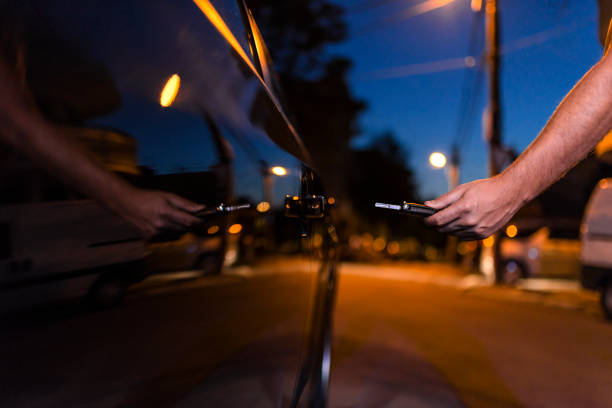
ประกันรถยนต์ชั้น 1 นับว่าเป็นประกันที่มีความนิยมมากที่สุดในประเภทประกันภัยเลยก็ว่าได้ เนื่องจากเงื่อนไขความคุ้มครองที่ครอบคลุมตอบโจทย์ใครหลายคนทั้งที่เป็นมือใหม่หัดขับ คนที่เพิ่งซื้อรถใหม่ป้ายแดงมา หรือแม้กระทั่งคนที่ใช้รถใช้ถนนอยู่เป็นประจำ แต่ก็มีเงื่อนไขที่ประกันรถยนต์ชั้น 1 จะไม่ให้ความคุ้มครองอยู่เช่นกัน ในกรณีที่เกิดอุบัติเหตุและได้รับความเสียหายจากการที่เราในฐานะคนขับมีปริมาณแอลกอฮอล์ในเลือดมากกว่า 50 มิลลิกรัมเปอร์เซ็นต์ซึ่งจะถือว่ามีอาการเมาสุราทันที เมื่อเกิดอุบัติเหตุและมีการตรวจพบว่ามีอาการเมาแล้วขับทางประกันรถยนต์ชั้น 1 และประกันอื่นทุกชั้นจะไม่ให้ความคุ้มครองและไม่สามารถเคลมประกันได้ทุกกรณี เพราะถือว่าเราขาดสติสัมปชัญญะแต่ก็ยังฝ่าฝืนกฎหมายที่จะขับรถ เราต้องเป็นผู้รับผิดชอบความเสียหายเองทั้งหมด ดังนั้น ควรมีสติทุกครั้งและหลีกเลี่ยงการเมาแล้วขับเพื่อป้องกันอุบัติเหตุอันใหญ่หลวงที่อาจเกิดขึ้น กรณีที่รถยนต์ที่ทำประกันรถยนต์ชั้น 1 ถูกนำไปใช้ในทางที่ผิดกฎหมายจนเกิดอุบัติเหตุขึ้น ประกันรถยนต์ชั้น 1 จะไม่ให้ความคุ้มครองทุกกรณี รวมถึงการเคลมประกันรถยนต์ด้วย เพราะเป็นการฝ่าฝืนและสนับสนุนให้เกิดการกระทำความผิดซึ่งประกันรถยนต์ชั้น 1 รวมถึงประกันชั้นอื่นทุกชั้นจะไม่มีส่วนเกี่ยวข้องในการรับผิดชอบความเสียหายที่ผิดกฎหมายทุกกรณี สำหรับใครที่หลงใหลในความเร็ว การแข่งขัน หากมีการนำรถยนต์ไปแข่งขันความเร็วบนทางหลวงจนเกิดอุบัติเหตุขึ้นและรถที่ทำประกันรถยนต์ชั้น 1ได้รับความเสียหาย ทางประกันรถยนต์จะไม่ให้ความคุ้มครอง เพราะถือว่าตั้งใจนำรถยนต์ไปทำให้เกิดอุบัติเหตุที่เสี่ยงต่อการเสียหาย เพื่อหวังผลในการขอเคลมประกันรถยนต์ การทำประกันรถยนต์ชั้น 1 สำหรับรถยนต์ส่วนบุคคล จะไม่สามารถนำไปใช้ในเชิงพาณิชย์ได้ ซึ่งจะถือว่าเป็นการนำรถยนต์ไปใช้ผิดประเภทและในกรณีที่นำไปใช้แล้วเกิดอุบัติเหตุขึ้นจนรถได้รับความเสียหาย ประกันรถยนต์จะไม่รับผิดชอบและชดใช้ค่าเสียหายให้กับผู้เอาประกัน เพราะถือว่าไม่ทำตามและฝ่าฝืนข้อปฏิบัติของเงื่อนไขที่ระบุไว้ในกรมธรรม์ ดังนั้น ควรศึกษารายละเอียดเกี่ยวกับกรมธรรม์รวมไปถึงข้อบังคับและข้อยกเว้นให้ดีเสียก่อนจะได้ไม่เกิดการเข้าใจผิดพลาด ในกรณีที่มีการแต่งเติมหรือดัดแปลงสภาพของตัวรถ ทั้งความสวยงามและความเร็ว จำเป็นอย่างยิ่งที่จะต้องแจ้งบริษัทประกันภัยทุกครั้งที่มีการดัดแปลง รวมถึงในกรณีที่ติดแก๊สรถยนต์ด้วย เพราะการดัดแปลงสภาพรถจะต้องคำนึงถึงข้อกฎหมายและเงื่อนไขที่ระบุเอาไว้ด้วย ซึ่งหากผู้เอาประกันไม่แจ้งกับทางบริษัทประกันภัย เมื่อเกิดอุบัติเหตุขึ้นและได้รับความเสียหายต่างๆ ทางประกันรถยนต์ชั้น 1 และชั้นอื่นๆจะไม่รับผิดชอบ
เทคนิคไลฟ์สดยังไงให้ลูกค้าอยากซื้อกับเราตลอด

ขายของออนไลน์ถือเป็นอีกหนึ่งอาชีพที่ได้รับความนิยมอย่างมาก เพราะเพียงแค่คุณมีสินค้า ถ่ายภาพสวยๆ มีอินเทอร์เน็ตลงสินค้า เท่านี้คุณก็สามารถรายได้ได้แล้ว แต่ต้องเข้าใจก่อนว่าตลาดนี้คู่แข่งเยอะมาก เราจำเป็นต้องทำอะไรที่มีความแตกต่าง ไม่เหมือนกับคู่แข่ง ซึ่งการที่แสดงความเป็นตัวเองผ่านการขายของที่ดีที่สุด และเป็นช่องทางในการสื่อสารระหว่างคนขายกับลูกค้าได้ดีคือ การไลฟ์สดขายของ แต่จะไลฟ์สดอย่างไรให้ขายดี วันนี้เรามีเทคนิคมาฝาก 5 เทคนิคบอกต่อ วิธีไลฟ์สดอย่างไรให้ปัง 1.แจ้งเวลาล่วงหน้า ว่าจะไลฟ์กี่โมง เนื่องจากตลาดนี้มการแข่งขันที่สูงมาก ทุกคนเลือกใช้ช่องทางนี้ในการขายของ เพราะฉะนั้นลูกค้าที่ติดตามคุณเองก็ไม่ได้พร้อมดูไลฟ์คุณตลอดเวลา คุณควรจะแจ้งเวลาในการไลฟ์เอาไว้ล่วงหน้า เพื่อให้คนดูเตรียมความพร้อม ว่าจะไลฟ์เมื่อไหร่ เวลาไหน เพื่อช่วยกระตุ้นให้ลูกค้าของคุณอยากดู และควรทำข้อมูลด้วยว่าไลฟ์เวลาไหนที่คนดูเยอะสุด 2.Wifi แรง มีชัยไปกว่าครึ่ง เรื่องนี้สำคัญมาก และเป็นเรื่องที่หลายคนมองข้าม เพราะการไลฟ์สดจะต้องใช้เน็ตที่เร็ว แรง เพื่อให้ภาพไหลลื่น ไม่กระตุก หรือเสียงขาดหาย เพราะถ้าเป็นแบบนี้ลูกค้าที่กำลังดูไลฟ์สดอยู่ต้องเสียอารมณ์แน่นอน เพราะฉะนั้นให้เช็คเรื่องเน็ตให้ดี เลือกซื้อแพคเกจอินเตอร์เน็ตที่เร็วแรง เพื่อประสบการณ์ที่ดีให้กับลูกค้า 3.มีสคลิปบทในการพูด เพราะบางทีไลฟ์สดเพลินๆ ทำให้เราพูดไปเรื่อยๆ บางทีก็ออกนอกทะเล ที่ไม่เกี่ยวกับตัวสินค้าของเรา ซึ่งส่วนนี้อาจทำให้ลูกค้าที่กำลังสนใจสินค้าอยู่ กลับไม่สนใจและปิดไลฟ์ของคุณไปดูช่องอื่นแทนได้ แนะนำให้ทำสคลิปบทเอาไว้ ว่าจะขายอะไร ข้อดีของมันคืออะไร จุดเด่น โปรโมชั่นลดราคา เงื่อนไขการสั่งซื้อ แนะนำให้จดเอาไว้เลย […]
ขายของออนไลน์ ขายอะไรดีในช่วงนี้?
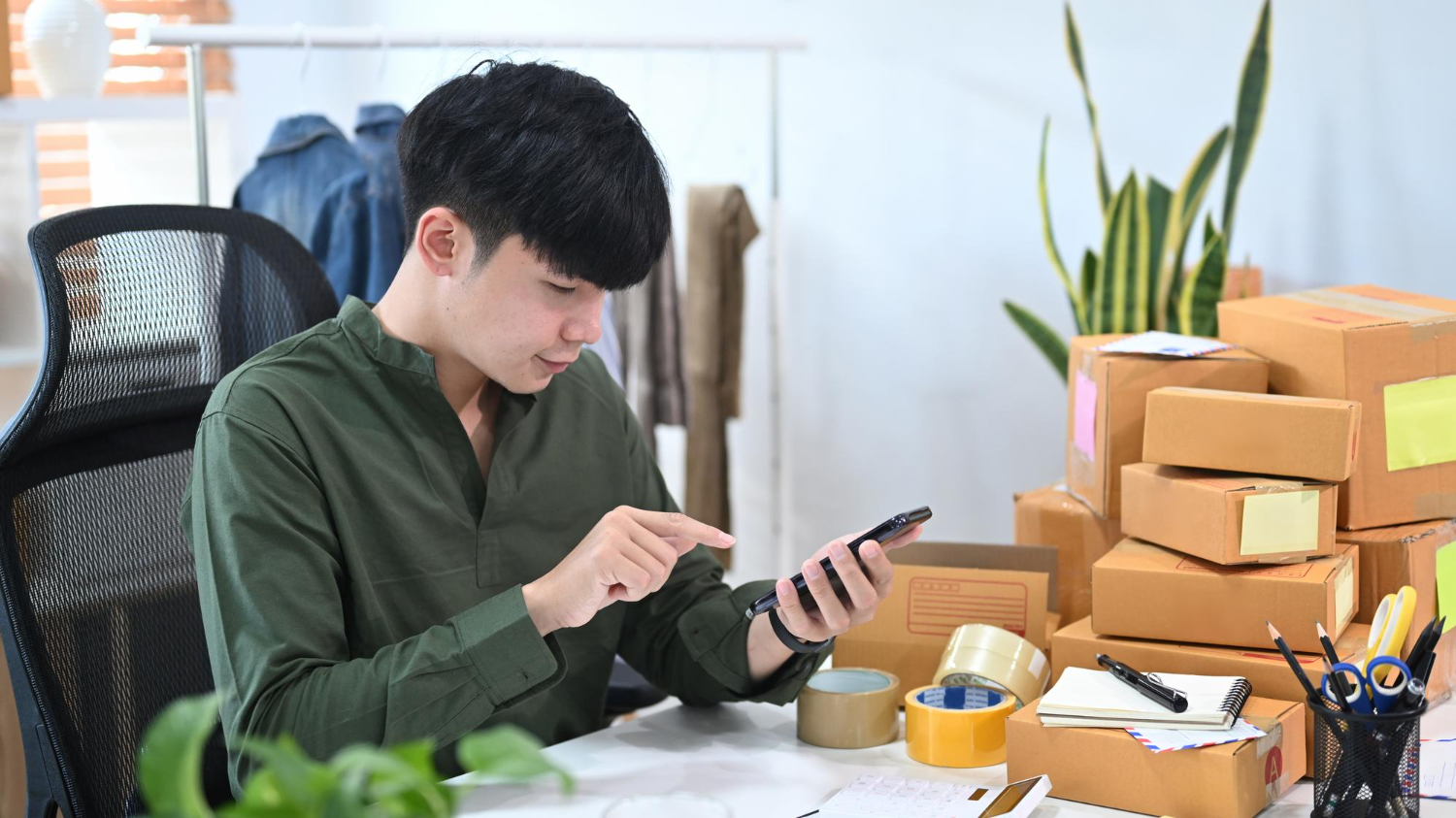
เดี๋ยวนี้อาชีพที่หลายคนทำเป็นงานประจำ หรือเป็นอาชีพเสริมอย่างการขายของออนไลน์ ถือเป็นอีกหนึ่งช่องทางหารายได้ที่หลายคนนิยม แต่ว่าการขายของออนไลน์เองก็มีคู่แข่งเยอะมาก เพราะทุกคนต่างเป็นแม่ค้าออนไลน์ พ่อค้าออนไลน์กันถ้วนหน้า แต่ถ้าคุณต้องการขายของออนไลน์ และยังไม่ทราบว่าขายของออนไลน์อะไรดี วันนี้เราเตรียมไอเดียขายของออนไลน์มาให้คุณแล้ว 5 ไอเดียขายของออนไลน์ เพิ่มกำไรให้กับคุณ 1.เครื่องสำอาง สกินแคร์ สินค้าบิวตี้ไม่ว่าจะเป็นเครื่องสำอาง สกินแคร์ ถือเป็นสินค้าความสวยความงาม แถมยังเป็นสินค้าที่ขายดีมากๆ ใครที่อยากเป็นแม่ค้าออนไลน์ หรือต้องการขายของออนไลน์ และไม่รู้ว่าจะขายอะไรดี บอกเลยว่าสกินแคร์ เครื่องสำอาง ก็เป็นอีกหนึ่งตัวเลือกที่น่าสนใจ ซึ่งสินค้าที่เหมาะกับทุกเพศทุกวัย ไม่ว่าจะเป็น แป้งฝุ่น ครีมกันแดด เครื่องสำอาง ลิปสติก ครีมบำรุงผิว โดยแนะนำให้เลือกแบรนด์ที่เป็นที่รู้จัก นิยมในตลาด 2.ขายเสื้อผ้าแฟชั่น เสื้อผ้าแฟชั่นหลายคนคิดว่าต้นทุนสูง แต่บอกเลยถ้าคุณรู้แหล่งขายส่งราคาถูก ต้นทุนถือว่าคุ้มค่าเพราะคุณจะได้กำไรมหาศาล โดยเฉพาะแฟชั่นผู้หญิงที่ขายดีเป็นพิเศา หรือถ้าแฟชั่นผู้หญิงคู่แข่งเยอะเกินไป แนะนำให้เจาะกลุ่มลูกค้าไปเลย เช่น เสื้อผ้าสาวอวบ เสื้อผ้าหญิงมุสลิม เสื้อผ้าผู้สูงอายุ ส่วนเทคนิคการขายอาจจะต้องโฆษณาออนไลน์ โพสรูปภาพบ่อยๆ ไลฟ์สดให้คนจดจำเราได้ 3.อุปกรณ์ป้องกันโควิด เพราะยังไงเชื้อไวรัสโควิดยังอยู่กับเราไปอีกนาน เพราะโรคนี้จะกลายเป็นโรคประจำถิ่นไปแล้วก็ตาม แต่อุปกรณ์หรือผลิตภัณฑ์ที่ป้องกันโควิดยังจำเป็นต้องต่อชีวิตประจำวันอยู้ ไม่ว่าจะเป็น แอลกอฮอล์ หน้ากากอนามัย เจลล้างมือ […]
ทำธุรกิจส่วนอะไรดี ในสถานการณ์การเงินแบบนี้

ไม่ว่าคุณจะทำอาชีพอะไร ตำแหน่งอะไร เชื่อว่าหลายคนมีเป้าหมายว่าอยากเป็นเจ้าของธุรกิจ อยากทำธุรกิจส่วนตัว ไม่อยากเป็นลูกจ้างใคร อยากเป็นนายตัวเองกันทั้งนั้น แต่ในสถานการณ์การเงินเช่นนี้ ที่เอาแน่เอานอนไม่ได้ แถมยังมีสงคราม เศรษฐกิจโลกไม่ดีแบบนี้ เราควรลงทุนทำธุรกิจส่วนตัวแบบไหนดีที่ไม่เจ๊ง วันนี้เราเตรียมมาให้คุณแล้ว เรียกว่าเป็นตัวเลือกที่น่าสนใจ และทุกคนอยากผันตัวเองเป็นแม่ค้าออนไลน์ พ่อค้าออนไลน์กันทั้งนั้น เพราะการขายของออนไลน์ถือเป็นช่องทางหาเงินที่ฮอตฮิตอย่างมาก เพราะผู้บริโภคส่วนใหญ่ ใช้ชีวิตอยู่ในโลกออนไลน์ทั้งนั้น การขายของออนไลน์จึงเป็นอีกหนึ่งตัวเลือกที่น่าสนใจ แต่ปัจจุบันเรียกว่าคู่แข่งก็เยอะไปด้วย เพราะฉะนั้นให้คุณสังเกตและหมั่นศึกษาเทรนด์ผู้บริโภค ศึกษาก่อนลงทุน เพื่อให้คุณได้กำไรจากการขายของออนไลน์ อาหารและเครื่องดื่มถือเป็นปัจจัยที่จำเป็นต่อการดำเนินชีวิต แถมทุกวันนี้เราสามารถขายอาหารและเครื่องดื่มบนโลกออนไลน์ได้อีกด้วย สำหรับใครที่อยากทำร้านอาหารและเครื่องดื่ม ก็สามารถลงทะเบียนกับแอปพลิเคชั่นส่งอาหารต่างๆ และศึกษาเงื่อนไข กฎ เอาไว้ให้ดี แต่ถ้าคุณมีลูกมือพร้อม พื้นที่พร้อม แนะนำให้เปิดหน้าร้านไปด้วย เพื่อขายคนในพื้นที่ และเปิดช่องทางออนไลน์ควบคู่ไปด้วย เพราะทุกวันนี้ผู้บริโภคหลายคนให้ความสำคัญกับเรื่องสุขภาพเป็นหลัก สินค้ากลุ่มอาหารเสริมเพื่อสุขภาพจึงได้รับความนิยมอย่างมากในช่วงหลังๆมานี้ โดยสินค้าประเภทนี้ ไม่ใช่เพียงอาหารเสริม วิตามิน เท่านั้น หากคุณมีทุนในการทำแนะนำให้ทำสินค้าเกี่ยวกับสุขภาพก็เป็นไอเดียที่ไม่เลว แล้วก็เปิดขายช่องทางออนไลน์ สร้างตัวตนของคุณออกมา ยังอยู่ในโลกออนไลน์กันอยู่ เพราะโลกใบนี้คุณสามารถทำธุรกิจได้หลากหลาย รวมถึงการทำคอร์สเรียนออนไลน์ เพื่อสอนกับผู้ที่สนใจ ยิ่งถ้าคุณมีความเชี่ยวชาญเรื่องใดเป็นพิเศษ และมีความสาถมารถในการสอน ในการพูด บอกเลยว่าคอร์สเรียนออนไลน์ถือเป็นตัวเลือกที่ดี และแนะนำให้คุณซื้ออุปกรณ์สำหรับการเรียนให้พร้อม กล้อง เครื่องมือออนไลน์ […]